Day #3: Wild Eyes
You have now woken up after a long, comfortable sleep at your hotel in Dargaville. You’re ready for another day of adventuring! Today, you will drive around the North island and be introduced to amazing animals that live here in New Zealand. Some are native and some are non-native. Native animals are animals that normally live in New Zealand. Non-native animals are animals that were brought into New Zealand from another country. Examples of native New Zealand animals are the kakapo, the kiwi, the kea parrot, the yellow eyed penguin and the pekapeka bat.
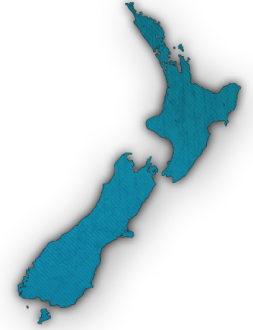
http://www.kiwidaydreaming.com/p/new-zealand-maps.html
Activity 1: Curious Kiwi, a native New Zealand bird, is your tour guide for today. He is going to take you to visit the Otorohanga Kiwi House and Native Bird Park where many of his aunties and uncles currently live. The bird park is a five hour drive from Dargaville so you hit the road right after breakfast and arrive in Otorohanga at lunch time. As you walk through the birdhouse you learn about the work being done to conserve and protect the native birds of New Zealand. You decide to help out by ‘adopting’ a native animal. Visit the ‘Adopt a Critter page’ on the Otorohanga bird house website to choose one animal to adopt. On your blog, tell us the name of the animal that you chose and a little bit about them. What kind of animal are they? What do they eat? Where do they normally live? You can use Google to help you with your research.
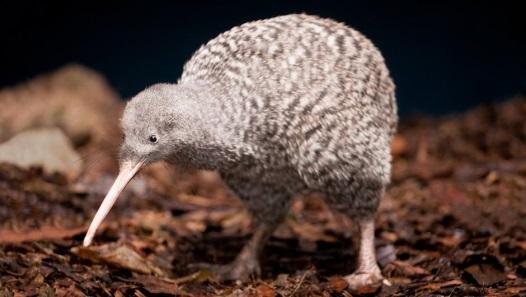
The lucky animal that I chose to adopt, is non other than a brown kiwi. Brown Kiwi’s originate from the North Island of New Zealand. They’re the most common Kiwi breed with about 35,000 remaining. Amazing!. Kiwi’s in general, are New Zealand’s native/national animal.
The name i’m giving my pet Kiwi is Elijah. I recently found out that the meaning of the name is “The lord is my god”.
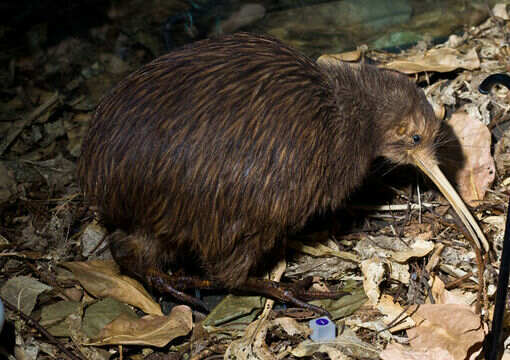
Brown Kiwi’s Diet
Brown Kiwi’s prefer to eat small invertebrates such as
- Earth worms
- Larvae
- Beetles
- Cicadas
- Moths
- Centipedes
- Crickets
- Spiders
- Weta
- Small fruit and leaves(Not and invertebrate)
I personally wouldn’t want the job of feeding the kiwi!.
Brown Kiwi’s Habitat
As stated in the first paragraph, Brown Kiwi’s are commonly found in the North island of New Zealand. They live in Native Forests, scrub, pine forests and rough farm land.
Activity 2: After your great visit to the Otorohanga bird house it is time to hop back onto the bus and head towards the Hawke’s Bay – your resting place for the evening. Hawke’s Bay is a beautiful region of New Zealand. It is known for its wineries and gorgeous scenery. When you arrive in Napier, the largest city in the region, you go for a walk through Waitangi Regional Park and notice that many of the leaves on the native trees have been damaged. Curious Kiwi tells you that they were damaged by possums, non-native predators, from Australia. People in New Zealand are working hard to trap and kill these predators. Their goal is to remove all of the possums (and other predators) by 2050. Go to the ‘Predator Free 2050 website’ to read more about their work.
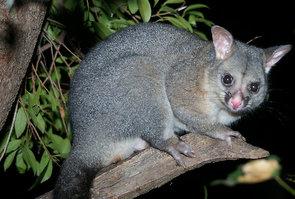
On your blog, tell us whether you agree that New Zealand should be predator free. In your opinion, is it right to kill all of the predators (eg. possums) or should we just leave them alone? On your blog tell us what you think and give us, at least, three reasons why you think this way.
In my opinion, I strongly agree that Possums should be eliminated from our New Zealand habitats. (Sorry if I’ve come out quite sinister).
Reasons why
- Possums are a threat to all native species, they have shown that throughout the years, killing innocent animals and destroying native plants. If they’re left in our habitats, uncared for, the population of our native animals and plants will die out.
- If the population of Possums die out and any predators, it’s more likely for our plants and native animals to live longer and safer lives. This leads to the birth of more animals, expanding the population of endangered animals in our country.
- Last of all, with no predators in New Zealand, our native atmosphere will be more free and elegant looking. With predators here, they are destroying our plants, which leaves our forests looking horrible. Without predators, our forest will look better than ever, being the centre of tourist attractions here in New Zealand.
Once you have finished your blog post, it is time to relax for the evening. You and your friends have a nice dinner and then head to bed. You are just about to fall asleep when you hear something moving around outside your hotel. It sounds like a large bird. Maybe it’s a Moa…

http://www.pottonandburton.co.nz/from-moa-to-dinosaurs/
Bonus Activity: A really cool new website called Wild Eyes has recently been launched in New Zealand. It is a programme for students who want to complete fun activities (called ‘missions’), take pictures and post them on the Wild Eyes site. For this bonus activity, go to the Wild Eyes site and complete the ‘Giant Moa Discovery’ mission. To earn full points you must post a picture of your Moa on the Wild Eyes website and on your personal blog site. The Wild Eyes team and I can’t wait to see what you create!

I created a digital drawing of a random girl surprised because she sees a Moa in the forest. I wasn't able to create a visual moa because I lacked resources to create it so instead I came up with this. Enjoy!.
Bonus Activity: 20 points
